
Why was Canada accused of cheating in curling?
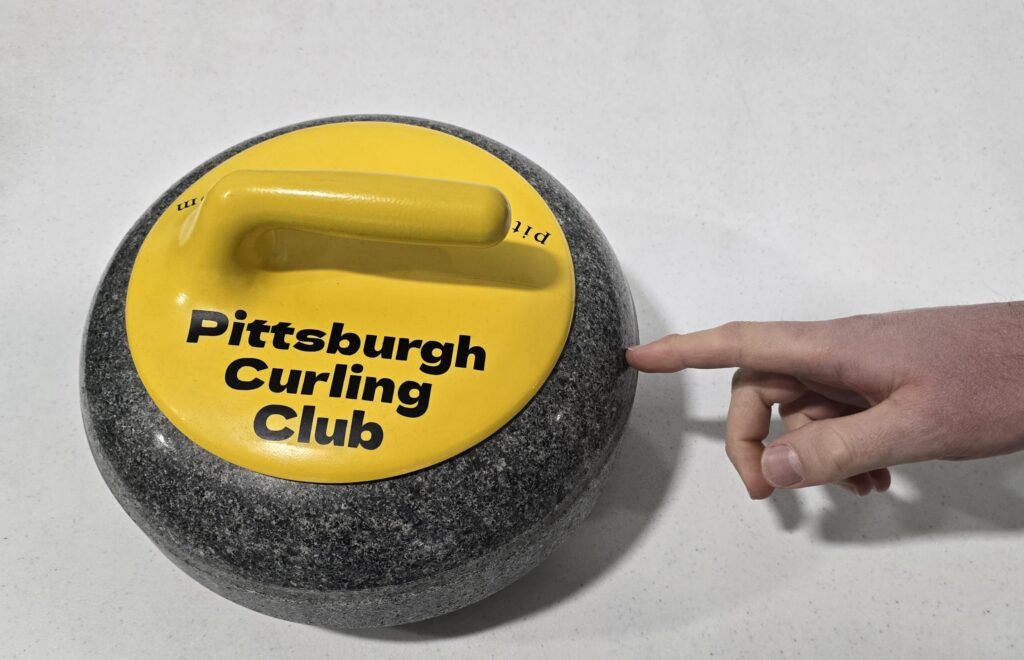
Canada was accused of cheating in curling at the 2026 Milano-Cortina Winter Olympics due to repeated allegations of "double-touching," where players allegedly touched the granite part of a curling stone with a finger after releasing the handle. The controversy kicked off February 13 when men's vice-skip Marc Kennedy was accused by Sweden's Oskar Eriksson of illegally contacting granite during a match, with video footage showing finger contact that seemed to give the stone extra push past the hog line. This sparked an on-ice argument with profanity from Kennedy. The next day, women's skip Rachel Homan had her opening stone removed for a similar granite touch violation against Switzerland. Both teams denied intentional cheating, and penalties were limited to stone removals and a language warning; World Curling responded by increasing delivery monitoring.
Canada Accused of Cheating in Curling: What Sparked the Incidents?
The accusations played out at the Cortina d'Ampezzo venue in early round-robin games:
- Marc Kennedy (Team Brad Jacobs) faced multiple calls from Sweden during their 8-6 win, with Eriksson highlighting post-release granite touches that quickly went viral through slow-motion clips.
- Rachel Homan's first stone was burned by officials the following day; she called the ruling surprising and insisted her hand remained still.
- Other teams, including Great Britain, saw similar violations, but Canada's status as a curling powerhouse drew intense focus.
- Kennedy later described the scrutiny as feeling "premeditated," while officials added extra arbitrators for closer oversight.
These events highlighted stricter rule enforcement under Olympic pressure.
Let’s look at the Double-Touching Rule
World Curling rules protect fair competition by limiting physical influence on the stone:
- Handle release must occur before the near hog line (enforced by electronic sensors).
- Pre-hog-line handle retouches are allowed.
- Any granite contact during forward motion burns the stone (removes it from play).
- The rule prevents boosts or direction changes beyond sweeping.
For club players, a smooth clean release sidesteps these problems—our <a href="https://pittsburghcurlingclub.com/faq">FAQ</a> covers delivery basics newcomers ask about.
Canada Accused of Cheating in Curling: Why the Backlash Escalated
Several elements fueled the rapid spread:
- Viral videos from broadcasts and fans clearly showed the contacts.
- Kennedy's expletive response ("You can f*** off") clashed with curling's etiquette tradition and earned a warning.
- Tight Olympic scoring means perceived edges get magnified.
- Reactions varied: some viewed it as minor, others as a sportsmanship issue.
U.S. curler Korey Dropkin called the uproar "bigger than it needs to be," echoing many insider sentiments.
Insider Perspective: Perspective on the Scale
With more than 20 years in curling—playing competitively, coaching, and volunteering at our Pittsburgh club—we've seen numerous delivery debates. This incident feels like a technical violation rather than deliberate cheating. Granite grazes often come from habits like pointing to the target or balance adjustments in high-stress throws. A light finger touch on a 44-pound stone over 150+ feet of pebbled ice seldom alters path significantly.
The profanity drew more criticism than the touch, hurting curling's respectful image. Insiders generally see it as overblown enforcement rather than scandal. It reminds everyone to nail fundamentals, self-call burns, and keep sportsmanship front and center—core to our Learn to Curl sessions and leagues.
Join the Fun on Ice at Pittsburgh Curling Club
This Olympic situation shows curling's precise rules, competitive fire, and community emphasis on respect. If it's got you curious about trying it properly, our ADA-compliant 4-sheet facility in McKees Rocks welcomes all—no experience needed. Email [email protected] or check the calendar for Learn to Curl sessions. Spots fill fast—register today!